
Tricky Prank: Brain Quest
HIGAME StudioPuzzle
4.6914.00 Reviews
- Version
- 1.2.6
- Installs
- 10.00M
- Age Rating
- Everyone
Screenshots

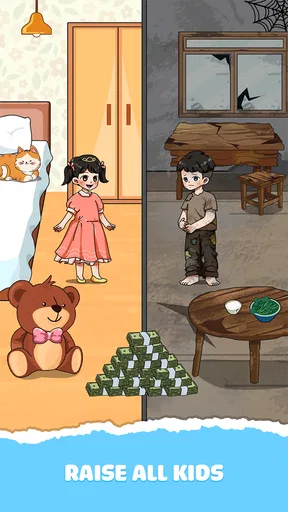
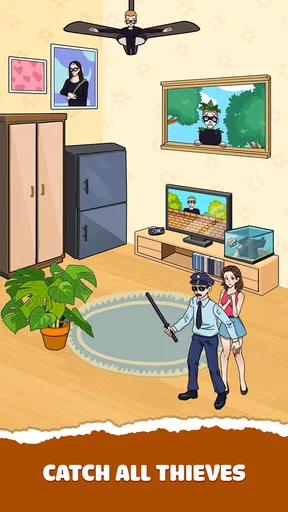

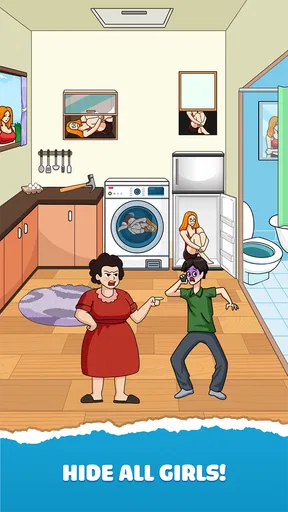


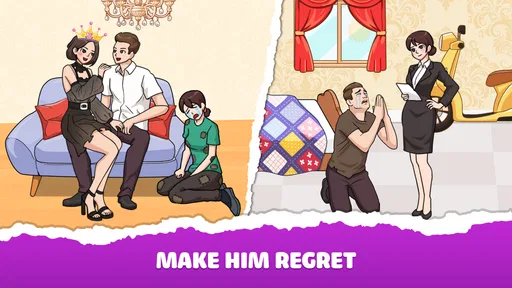
Our Review of Tricky Prank: Brain Quest
 Analysis by Appyee
I usually approach prank-themed puzzle games with a little caution. They can be funny for a few minutes, then run out of ideas once the surprise has worn off. Tricky Prank: Brain Quest made a better first impression than I expected because its appeal is not only the joke at the end of a level. The main attraction is working out what the game is trying to hide, misdirect, or make me overlook.
Developed by HIGAME Studio, this free puzzle game is aimed at players who enjoy quick challenges built around observation and lateral thinking. The central task is simple to understand: inspect a strange situation, notice the clues, and figure out the solution before the prankster gets the better of you. That makes it easy to pick up when I have a few spare minutes, although the real question is whether that short-term amusement turns into something worth returning to.
What playing it feels like after the first surprise
I found that the first surprise is only the opening move: the more useful question is whether I can learn to spot the game’s misdirection without turning every puzzle into a checklist. This section looks at how pacing, careful observation, and occasional breaks affect that experience, and why a short session can be more satisfying than trying to solve everything at once.
The first week is carried by curiosity
During my first sessions, the strongest feeling was curiosity. Each puzzle presents a small problem that looks more obvious than it really is, and that gap between the apparent answer and the intended answer is where the game gets its personality. I found myself tapping around mentally before touching the screen, asking what detail seemed too deliberate to be decoration.
That design gives the game a different rhythm from a traditional number puzzle or a word game. There is less emphasis on calculating a sequence and more on reading the scene. A player may need to question the wording of a prompt, inspect an unusual object, or reconsider the goal instead of simply completing the most visible action. I enjoyed that change of pace, especially when a solution made me think, “I should have noticed that.”
The humor works best when the trick is fair. A good prank puzzle lets me understand the answer immediately after the reveal, even if I did not see it beforehand. When that happens, the joke and the puzzle reinforce each other. The weaker moments are those in which the intended interaction feels arbitrary rather than clever. That distinction matters because surprise alone is not enough to make a puzzle satisfying.
The game is also approachable for casual players. Its Everyone content rating makes it suitable for a broad audience, and the basic idea needs no long tutorial. I could hand it to someone who rarely plays games and explain the objective in a sentence. That makes it a reasonable choice for family downtime, waiting rooms, or a short shared session where nobody wants to learn complicated controls.
One useful habit is to slow down before tapping repeatedly. In many puzzle games, rapid experimentation eventually produces progress. Here, random tapping can hide the clue that the level wants me to notice. I get better results by scanning the entire scene first, checking the wording, and then testing the least obvious possibility. This small change makes the game feel more like deduction and less like trial and error.
Why it is more social than it first appears
Although the game is designed for individual play, I found that its short puzzles make it easy to share with another person. One player can hold the phone while the other points out suspicious details, and the quick format prevents the discussion from becoming a long strategy session. It works particularly well when someone enjoys jokes but does not normally choose a puzzle game.
There is a trade-off, though. The person who watches another player solve a level may lose much of the surprise. These puzzles depend on the reveal, so the experience is strongest when everyone involved gets a chance to approach the problem without seeing the answer first. If I were using it as a casual group activity, I would take turns rather than letting one person solve everything.
The first-week appeal is helped by the low commitment. The game is free to start, while optional in-app purchases range from $0.99 to $9.99 per item. I would not treat that as a reason to spend immediately. The early puzzles are the right time to decide whether the humor and logic suit you; buying anything before knowing that would remove the useful test that the free entry provides.
Where the brain challenge actually comes from
The most valuable skill this game encourages is flexible attention. Instead of asking only, “What should I press?”, I learned to ask, “What assumption is the scene encouraging me to make?” That is a small but meaningful shift. It helps with puzzles that use distraction, misleading presentation, or a detail that looks unimportant at first.
I also recommend separating observation from action. First identify every visible clue, then choose one interaction and watch what changes. This creates a simple personal workflow: inspect, form a theory, test it, and revise. It is more efficient than touching every object without a plan, and it makes successful solutions feel earned.
Another practical tip is to stop after a few failed attempts instead of becoming stubborn. When I keep repeating the same idea, I am usually confirming my original assumption rather than solving the puzzle. Looking away for a moment, rereading the prompt, or explaining the situation aloud often exposes the mistake. That approach is especially useful for players who become frustrated by trick questions.
Does it earn a place beyond the novelty?
Beyond novelty, I judge the game by whether its quick reveals suit the moments when I actually want a puzzle—not by expecting it to replace a deeper logic game. I’ll weigh that everyday usefulness against the risk of familiar tricks feeling repetitive, so the decision comes down to whether its playful style keeps earning your attention.
Month-to-month value depends on your puzzle habits
After the initial novelty, the game’s value depends heavily on how much you enjoy compact, joke-driven challenges. If you like solving one or two puzzles during a break, it can remain a pleasant repeat visitor. The sessions do not demand a large block of time, and the unusual premise gives it a lighter mood than a serious logic collection.
For me, its long-term role is closer to a snack than a full meal. I would open it when I wanted a quick mental diversion, not as my only puzzle game. A dedicated logic title is usually better for a sustained evening because it can offer deeper systems, longer chains of reasoning, or a more consistent difficulty curve. This game is strongest when I want variety and a laugh rather than an extended intellectual workout.
That distinction also explains why it may work well on a phone shared with other casual games. It fills the gap between scrolling and committing to a demanding activity. A short session can be enough, and I do not need to remember a complicated strategy from the previous day. The downside is that this convenience can make it easy to forget once another novelty appears.
The public response suggests that the game has found a substantial audience, with an average rating of 4.6 from around 132 thousand ratings and over 10 million installs. Those figures make it easier for me to recommend as a game worth trying, but they do not change the central caveat: popularity cannot guarantee that its particular style of humor will stay fresh for every player.
What can make repeated sessions tiring
The biggest source of fatigue is predictability. Once I become familiar with the idea that the obvious solution is probably a trap, I can start looking for the trick mechanically. That is the opposite of what the game wants. A prank is funniest when it catches me off guard; repeated exposure can turn the same structure into a checklist.
There is also a fine line between clever misdirection and unclear interaction. If a solution requires a very specific interpretation that the scene does not support, frustration replaces amusement. Players who prefer transparent rules may find this especially irritating. In that case, a conventional match-three game, crossword, or structured logic puzzle may be a better fit because progress follows clearer principles.
Another limitation is emotional rather than technical: not every player enjoys being fooled. Some people want puzzles to reward careful reasoning without making them feel tricked. This game deliberately builds its identity around surprise, so anyone who dislikes prank humor should skip it even if they normally enjoy puzzle games. The category label alone does not tell you that the tone is the main part of the experience.
I would also avoid treating it as a serious concentration tool. It can wake up attention for a few minutes, but the playful distractions are part of the design. If I need calm, methodical focus, I would choose a quieter puzzle format. Here, the shifting expectations and punchline-style solutions are the point, and that energy will either keep me engaged or become tiring depending on my mood.
Maintenance is light, but the habit needs variety
From a maintenance point of view, the game is easy to keep around. It is free, rated for Everyone, and supports devices running Android 7.0 or later. Its current version is 1.2.6, so Android users with older phones should check compatibility before setting aside space for it. Beyond that practical check, it does not demand a daily routine from me to remain enjoyable.
The more important maintenance burden is managing expectations. I get more from it when I do not play until every level feels repetitive. Short, occasional sessions preserve the surprise better than marathon play. I would rather return after a break and solve a handful of puzzles than push through a long sitting and begin noticing the formula behind every prank.
That makes it a good companion for specific situations: a commute, a short lunch break, a waiting period, or a relaxed conversation with a friend. It is less suitable if I want a game that becomes a central hobby with a deep progression system. The app can occupy a small, useful place on my phone, but it does not need to occupy all of my gaming time.
Players may also wonder whether they should pay to continue. My advice is to treat the free experience as the decision point. If the basic puzzles make you smile and you naturally want more, an optional purchase may feel reasonable. If you are already tapping through levels without enjoying the setup, spending will not solve the underlying mismatch. The price range matters less than whether the game’s particular kind of trickery works for you.
Who should install it, and who should pass?
I would recommend it to casual puzzle fans who enjoy visual clues, misleading situations, and solutions that require a change of perspective. It is also a good choice for someone looking for a light game that can be explained quickly and played in short bursts. Families and friends can use it as a small conversation game, provided they are comfortable with one person seeing a solution before the others.
I would be more cautious about recommending it to players who want a precise, competitive challenge. The humor and surprise can be more important than a perfectly predictable rule set, and that may feel unsatisfying to someone who prefers chess-like planning or formal logic. It is also not the best pick for anyone who dislikes prank-based comedy or becomes annoyed when the obvious answer is intentionally wrong.
Compared with standard puzzle alternatives, its advantage is personality. A conventional brain-training app may offer more repeatable exercises, while a word puzzle may provide a clearer sense of measurable progress. This game instead offers moments of discovery and amusement. Choosing it comes down to whether you value a clever reveal more than a long-term system for building a specific skill.
My long-term verdict
In my experience, Tricky Prank: Brain Quest earns a modest but real place on a phone after the first-week excitement fades. It is not a game I would rely on for endless depth, and its trick-based structure can become predictable if I play too much at once. Still, its quick format, accessible premise, and occasional genuinely sharp solutions give it a purpose that many disposable puzzle games lack.
The best way to use it is deliberately: play in short sessions, inspect scenes before tapping, and take a break when the prank pattern becomes obvious. That preserves the element of surprise and reduces the chance that the game turns into repetitive guessing. I would keep it installed as an occasional palate cleanser rather than a permanent main game.
HIGAME Studio has made a puzzle experience that understands the value of a quick laugh, but the lasting appeal rests on how well each player responds to being misdirected. If you enjoy questioning the obvious and sharing small “aha” moments, the free download is easy to justify. If you need deep logic, steady progression, or rules that never play tricks on you, another puzzle style will serve you better.
My recommendation is simple: try it for the short-session fun, but judge it by whether the surprises still feel fair after the novelty fades. That is where this game succeeds or falls short, and it is also the clearest guide to whether it deserves a lasting space on your device.
Verdict
Strengths of Tricky Prank: Brain Quest
- Short levels make it easy to play during quick breaks.
- Creative puzzles reward lateral thinking rather than fast reflexes.
- Simple controls are suitable for casual players of all ages.
- Varied prank scenarios help prevent the gameplay from feeling repetitive.
- Offline play is convenient when you have no internet connection.
Limitations of Tricky Prank: Brain Quest
- Some solutions rely on trial and error instead of clear logic.
- Hints or retries may be limited unless you watch ads.
- Frequent advertisements can interrupt the flow between levels.
- Difficulty can fluctuate noticeably from one puzzle to the next.
- The overall experience may feel shallow after completing the main levels.
Other Releases by HIGAME Studio
View All
Mystery Dumpling Glitter Unbox
Casual0.0
Similar Picks in This Category
View All
Block Blast!
HungryStudio4.8

Braindom: Brain Games Test
Lahana Game Studio4.6

AMAZE!
CrazyLabs LTD4.6

Sudoku - Classic Sudoku Puzzle
Oakever Games4.7

Art Puzzle - Puzzle Games
Easybrain4.8

Amaze GO!
Oakever Games4.9
Frequently Asked Questions
What is Tricky Prank: Brain Quest, and how does the gameplay work?
Tricky Prank: Brain Quest is a casual puzzle game built around short, humorous challenges that often require you to think beyond the obvious solution. Instead of simply tapping the most visible object, you may need to inspect the scene, combine actions, or interpret the wording of a question creatively. Each level is designed as a quick brain teaser, making the game suitable for short play sessions and players who enjoy surprise-based puzzles.
Is Tricky Prank: Brain Quest suitable for children and families?
The game is generally approachable for casual players because its controls and puzzle format are easy to understand. However, parents should review the age rating and the advertising or privacy information shown on the store page before allowing younger children to play. Some prank-style situations, humor, or promotional content may not appeal to every family, and younger players may also need help with puzzles that depend on wordplay or unexpected visual details.
Does Tricky Prank: Brain Quest require an internet connection?
The basic puzzle experience may be playable without a constant internet connection, which is useful when traveling or when mobile data is limited. Nevertheless, certain features can depend on connectivity, including advertisements, reward videos, analytics, updates, or additional content. Availability may also vary between Android and iOS versions, so it is best to test the game in airplane mode after installation rather than assuming every feature works offline.
Are there advertisements or in-app purchases in Tricky Prank: Brain Quest?
Like many free-to-download puzzle games, Tricky Prank: Brain Quest may use advertisements to support its free model, with ads potentially appearing between levels or when you request hints and rewards. The exact frequency can change after updates and may differ by device or region. Check the official store listing for current purchase details, and review payment settings if children will be using the device.
What should I do if I get stuck on a puzzle or find a level confusing?
When a level seems impossible, avoid tapping randomly and examine the entire screen carefully. Read the instruction literally, then consider whether an object can be dragged, resized, moved, or used in an unexpected way. Some challenges rely on gestures or visual details rather than a conventional answer. If the game provides hints, use them sparingly, and restart the level if an earlier action has changed the scene.
Play our best games!


